Thanks … for nothing?

How on earth (and why) would we give thanks to God when times are fraught. As we used to say as kids, “thanks… for nothing!”

This reflection was written by for our parish blog our in the early days of Covid time (remember March 2020?). Each of the authors reflected on one of the scriptures of the day. Somehow this one never made the cut. Perhaps the editors found the title a bit, ah, negative. Bear with me, please… you’ll find that I actually reveal a secret about prayer. I thought I’d share it on Thanksgiving Day 2020.
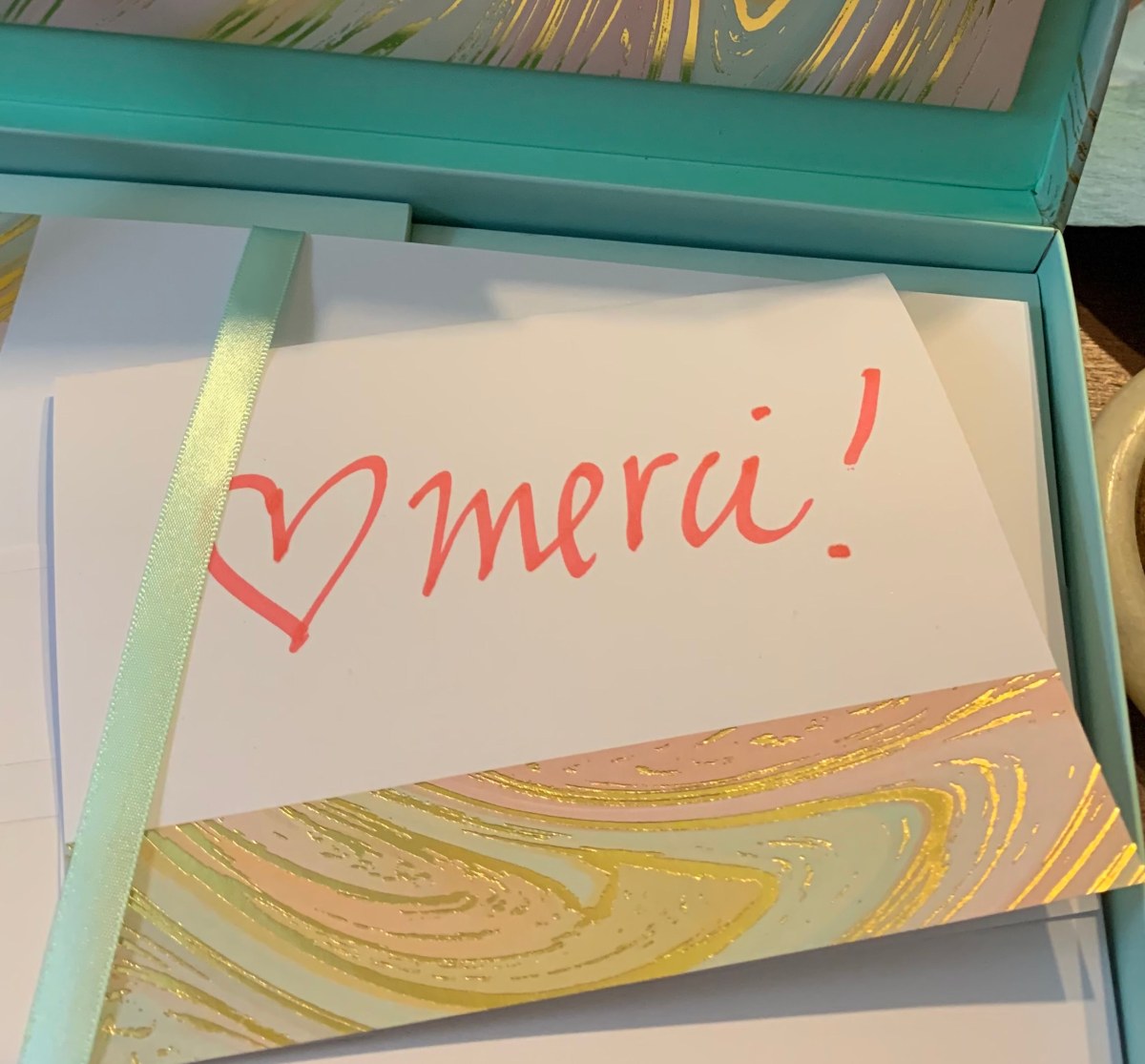
To give thanks seems on the face of it a quaint formality. The writing of dutiful notes long eclipsed by the advent of phone calls, email, and digital messages.

And how on earth (and why) would we give thanks to God when times are fraught.  One feels, well, thankless. As we used to say as kids, “thanks… for nothing!”

The words of Psalm 139 come to mind: How shall I sing the Lord’s song in a foreign land?

But consider: We live within and sustained by God’s creation. We are not strangers but God’s own people… all of us, not just some of us. And our Psalm for this morning is not Psalm 139 but Psalm 50. It begins by introducing God’s power.  “Our God comes and does not keep silence…” but comes “like a devouring fire… to judge the earth,” yet these flames are not at all interested in blood sacrifices:

If I were hungry, I would not tell you, for the world and all that is in it is mine.
Do I eat the flesh of bulls or drink the blood of goats?

Offer to God a sacrifice of thanksgiving, and pay your vows unto the most High.Call on me in the day of trouble; I will deliver you, and you shall glorify me.
(vv12-15 NRSV)

The words about the wicked (see vv 16-22) are trenchant. It’s tempting to run them as a mental video with the faces of obvious villains past or present, which would of course allow me to feel superior.  A temptation important not to succumb to.

Here’s the last verse: 

Whoever offers me the sacrifice of thanksgiving honours me  ♦
and to those who keep my way will I show the salvation of God.’

Why is thanksgiving described twice in this Psalm as a sacrifice?

When I was first exploring prayer in a methodical way, my spiritual director gave me a structure taught by Ignatius of Loyola:  To start the prayer time by imagining myself in the presence of God, picturing God looking down upon me with love. Then to proceed with the prayer of the day. And, at the end, whether or not anything particularly remarkable had occurred, to give God thanks for the prayer time. 

On one very dull and dry day I came to that last step with an unfeeling heart and an attitude of ironic detachment. What would it be like to give thanks for… nothing!  Yet I gave it a try. And as I connected with the God who had seemed so entirely absent—because thanking requires connecting—suddenly I discovered there everything my prayer had lacked. 

Thanksgiving is a sacrifice because in it we come to the Giver bringing, if we are honest, whatever we have in our hearts—our fine words, if we have them, our overwhelmed silence or underwhelmed doubt, and even our ingratitude if that’s the burden of it, and then stand empty handed. But not alone.

Thanks be to God.
The War Rooms

There was something here I needed to absorb and understand.

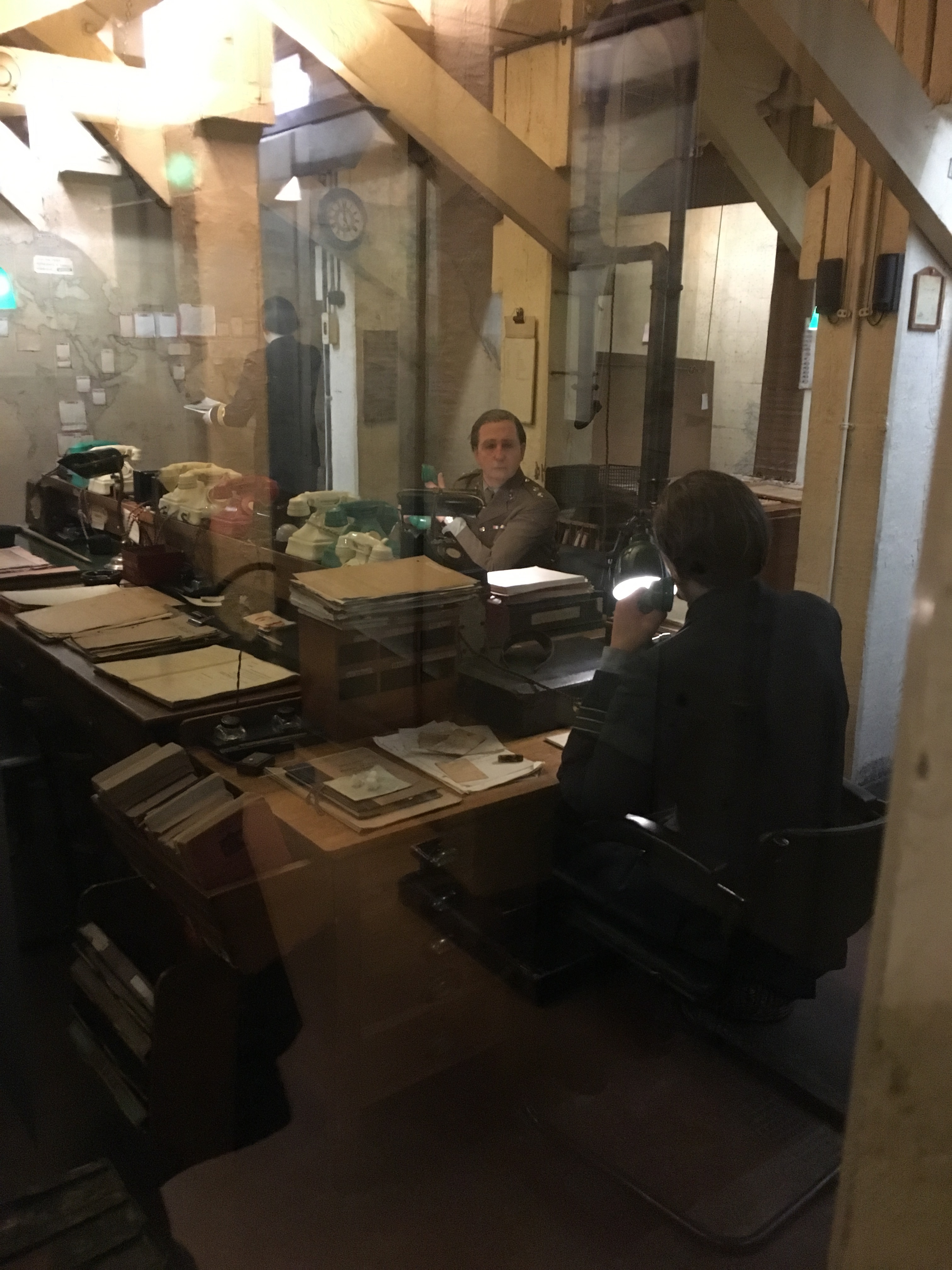
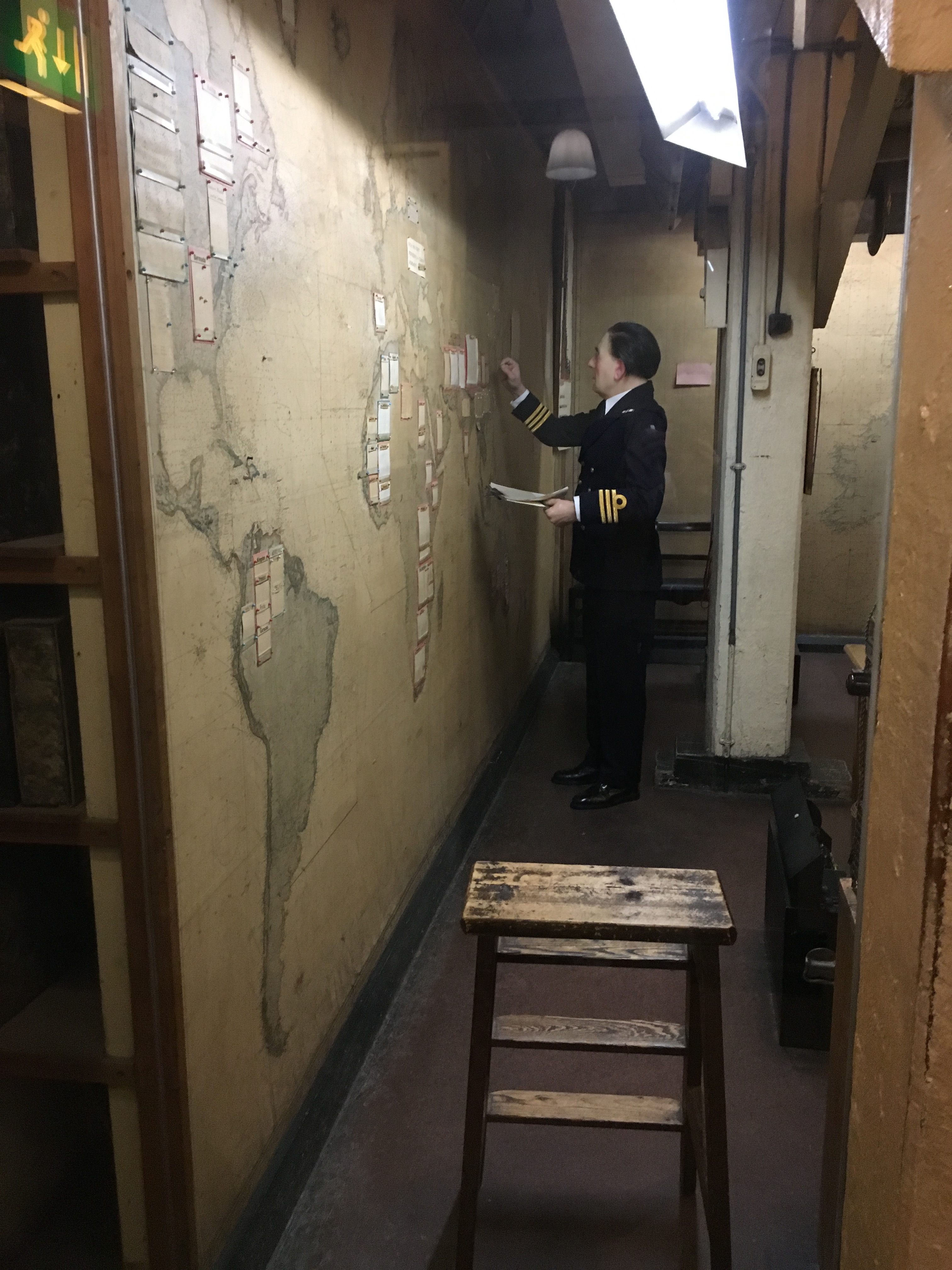
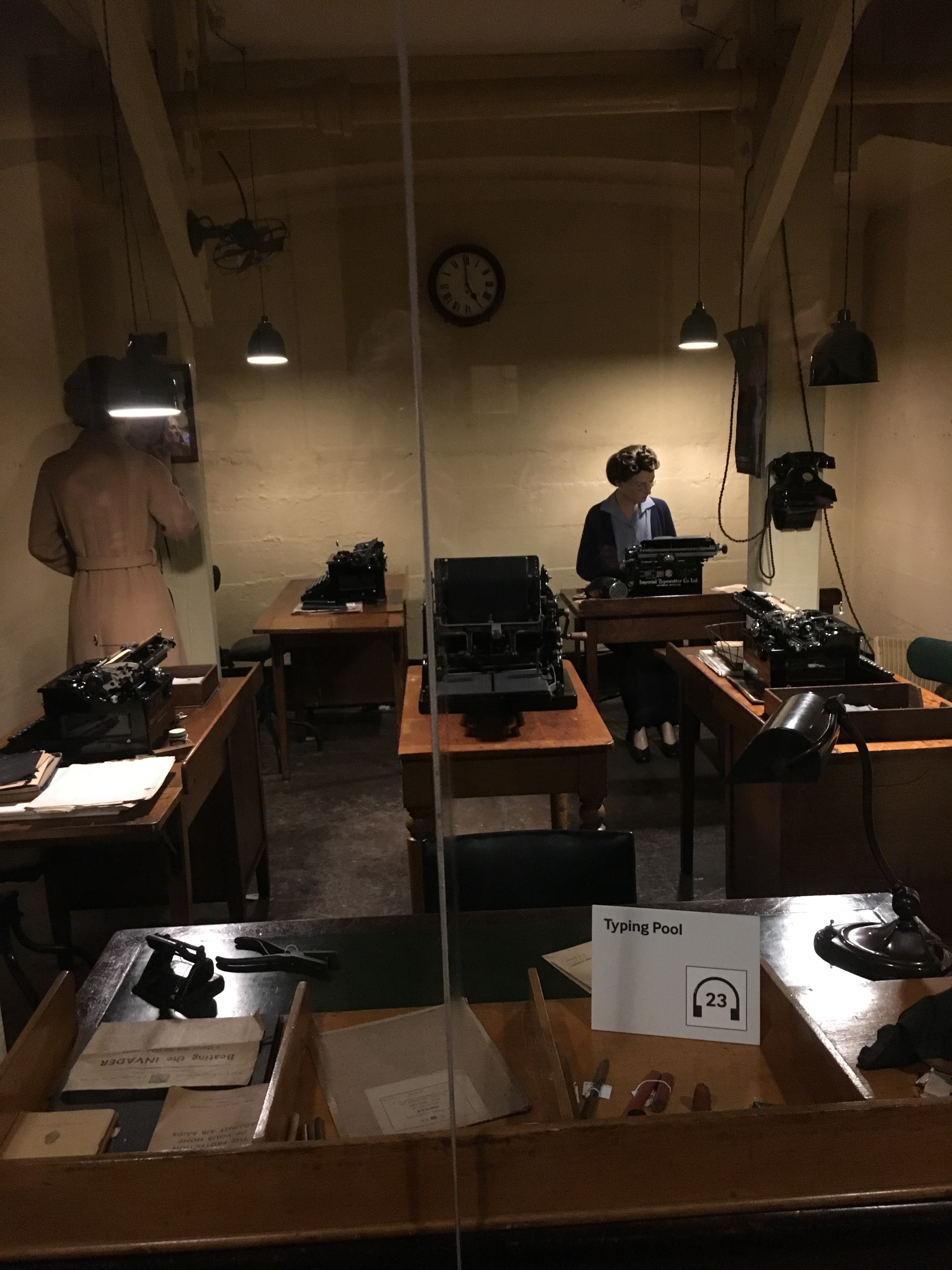
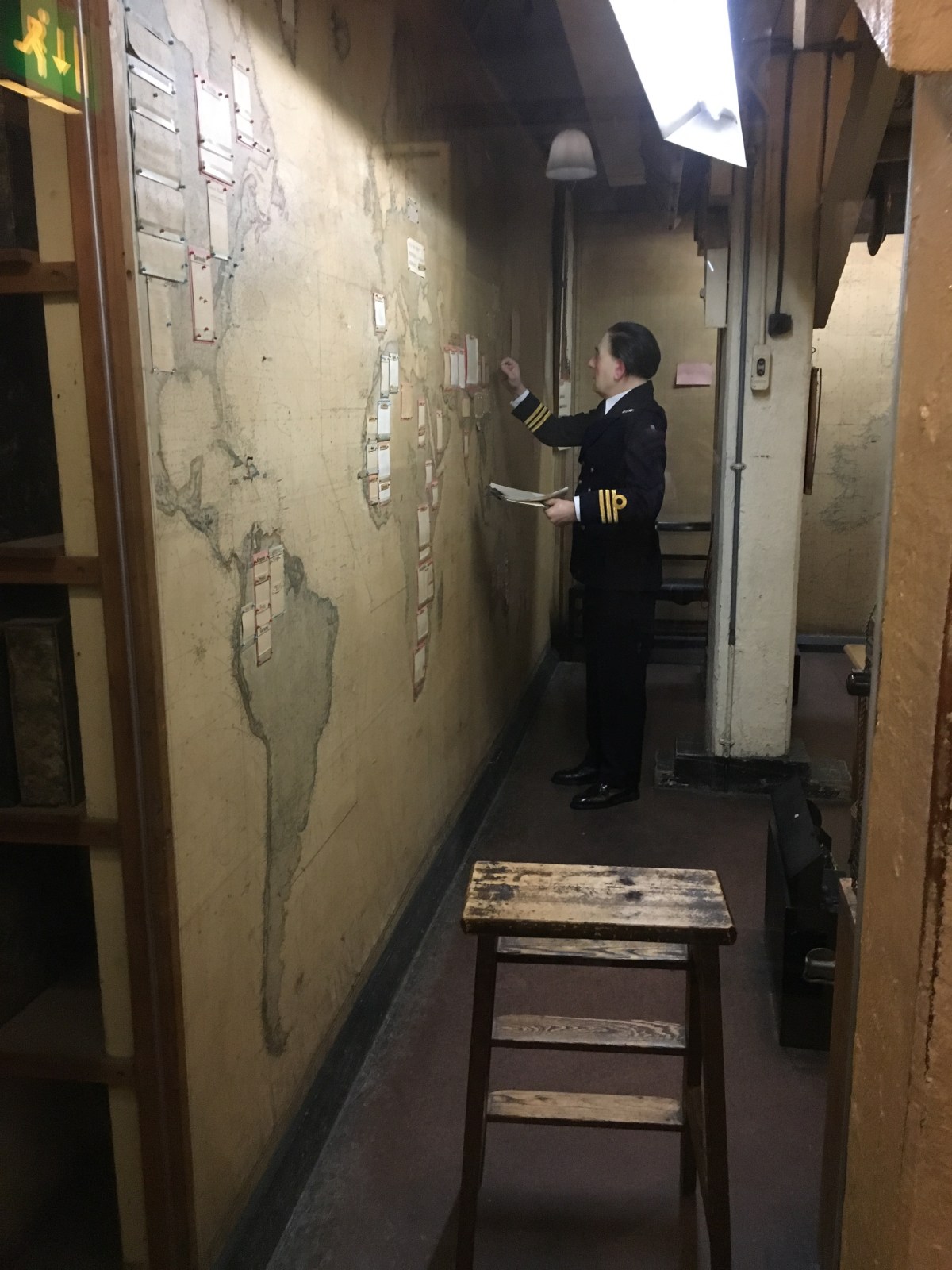
The friend I travelled to London with only had two days there. She wanted most to see the War Rooms–Churchill’s headquarters during World War 2 including during the Blitz. The rooms had been built in an underground bunker a short walk from 10 Downing Street. They included operational and command facilities and spartan sleeping quarters for the military people and clerical staff as well as for Churchill and his officers. Today, they are open to the public.

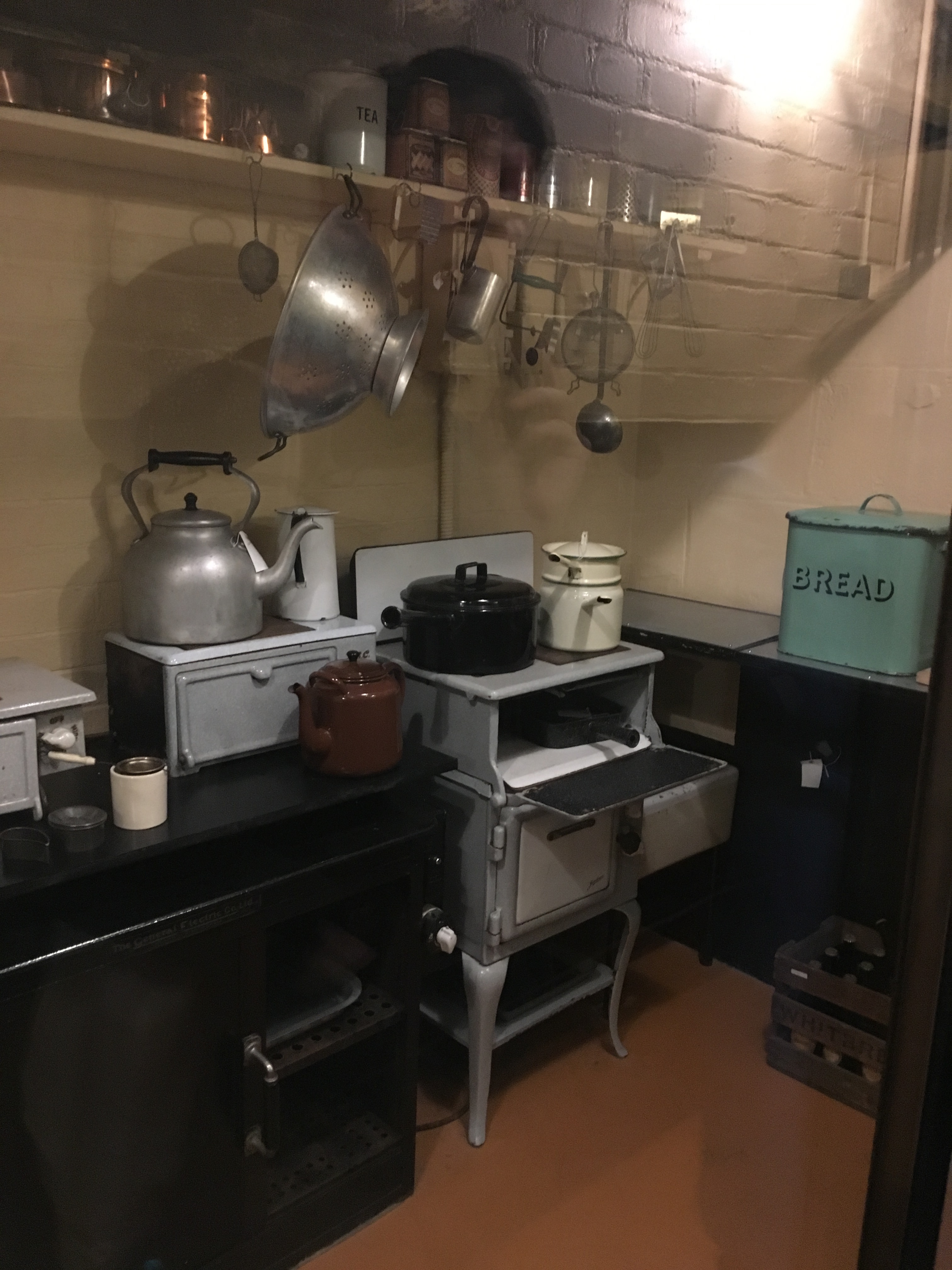
Since my own work day has underground components and is fuelled with hot beverages from a somewhat retro kitchen, I felt a surprising affinity with the place.

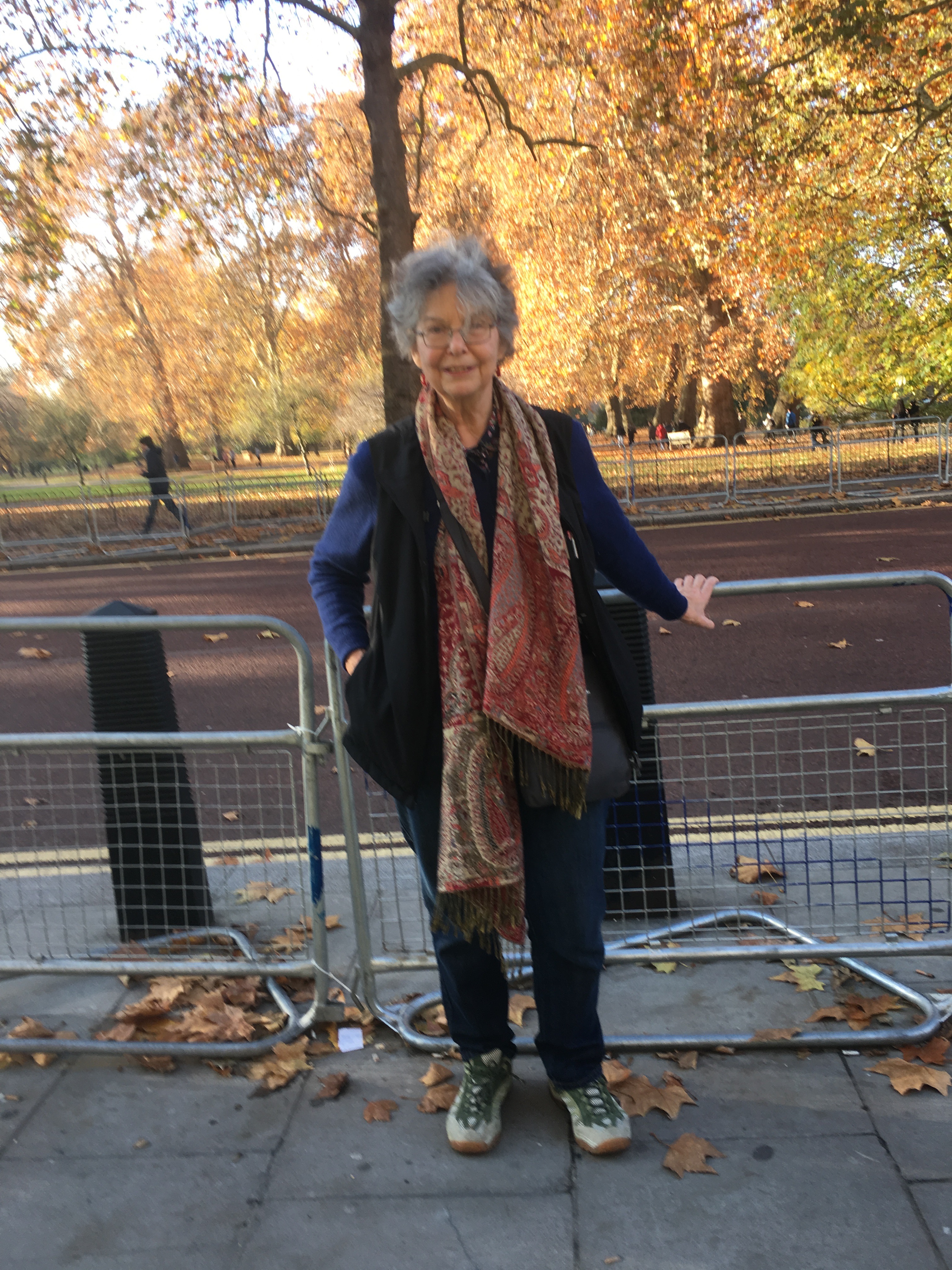
Outside it was a gorgeous fall day. London in November still offers roses as well as autumn leaves. But as I absorbed the import of this underground command centre, the contrast between holiday tourism and serious work effort struck me heavily. I’ve always been inclined to regard creative work as a joy and a romp. Surely it’s true that joy provides the impetus for it. But yes there is this other face to accomplishing anything worth doing: the need for tenacity, for persisting by great effort and, yes, sacrifice and discipline. For a resolute exercise of pure will–not on an ego level, but from a deeper level of purpose. There was something here I needed to absorb and understand. I could scarcely name it. So I took photos, already picturing them on the wall of my office back in Montreal. To remind me of the need to adjust my own practice, shift in this direction. We no longer speak, in moral terms, of The Enemy. Yet standing in those narrow corridors I felt that I would need to find a correlative operating stance when I returned. There was some sort of struggle to be waged. Years back, I bought a book titled The War of Art and, well, it’s probably around someplace. As Rachel Maddow tells her listeners, “put a marker in this one.”

The Most Special Moment

I was unprepared, despite my expectations, for the Western Wall.

Early in 2018, I decided to travel to the Holy Land — Israel and Palestine. Like many travellers who are also writers, I had high hopes of what I would be able to capture of my impressions and thoughts on this first visit. I’m a Christian (specifically, an Anglican) lay reader with some Jewish ancestry. So I knew I had a lot of baggage. I hoped to set aside my expectations and so be open to what I would be experiencing. Not easy. Stepping into pilgrimage mode is already to be immersed in a vast tradition of expectations. Travelling with a cloud of witnesses whose sight has been heavily influenced by their previous experience and by their personal and collective hopes and dreams and fears and tentative or bold longings. It would be impossible not to have expectations, even if those stand squarely in the way of genuine experience.

Yet only when we lay down our expectations can we be open to what’s really happening. Near the eve of my departure, my Jewish friend W told me she found herself in tears at the Church of the Holy Sepulchre. I think this was in part because she didn’t have expectations of what she would find there.

And I was unprepared, despite my expectations, for the Western Wall.

I’d known I would visit it. I’d been reading two different books on the history of Jerusalem. I knew the Wall was the traditional focus for devout Jews, both pilgrims and local people, and I knew I wanted to come and pray there, too, in a more or less traditional way. I knew enough to bring prayers with me written on tiny slips of paper, I brought them for friends and I brought my own. When our leader invited us for an “evening walk,” he didn’t say we would go there, but I brought the written prayers. I carried them forward among the women who were praying, I moved somewhat tentatively and with reverence and determination, finding places to put them among the bits of paper crammed into the chinks between the ancient stones. I’m tall and so I reached up and found room for those prayers. Then I backed away carefully, among the other women who had come, not turning my back on this holy site.

Two days later, early in the morning, our local guide brought the whole group again to the Wall.  She told us that some Jews believe that all prayers come here before ascending to God.  

This conflation of geography and devotion seems to open a line of thought in itself, doesn’t it?  We Christians pray in churches where the altar is said to be at the East end no matter what the actual position of the church, so there is some deep shared tradition here.  Yet the trajectory of prayer–or the other idea that when the little papers are taken out of the chinks in the wall, they are buried on the Mount of Olives where they will continue being prayed in eternity–these notions seem to obscure as much of the truth as they reveal. So I took her words in, and also set them somewhat to the side. Marked for further notice.

I went to the Wall again, and then came back to the place from which I took this photo.  I had ten minutes to spare.  I found a little group of those ubiquitous white plastic stacking armchairs that seem to populate the whole world, and sat down in one of them. I didn’t need to do anything at all.

Sitting there, in the silence of the beautiful morning, watching people move deliberately towards and away from that so-revered wall of gigantic stones, aware that my fellow pilgrims were together in the distance, chatting, I was content to inhabit the moment. I took up very delicately the notion that prayers from all over the world were flooding forward and rising into the heavens.  Like a vast river of love and desire, a river of connection and conviction and hope and need.  I was empty of the need to “pray” any particular intercessions. In fact, I found the notion of prayer as “something to do,”–and I am a person who relishes lists of things to do, and for years have kept a running list of prayer requests and people to pray for in the back of my journal–remarkably meaningless. In its place was a delicious freedom from any obligation besides being present.  In the context of the river of prayer, not “items” but connection between us and God, individual cares and concerns are truly insignificant. It is not that they are not worth our attention–my attention. I have given and will again in the future give loving attention to them, that did not change. What changed was the feeling that it was in any way a task, or a job, or a kind of work or obligation. 

I tried to describe this to a secular friend, and I found myself saying: “Well we know that light is both a wave and a particle, yes?  It seemed to me that prayer is also both a wave and a particle. The individual names, or things we pray about, are like particles, but if we only see them that way–names on a list, pieces of paper–we lose sight of the wave. We separate them from what they really are.”

For that moment I feel the lightness of being without obligation in regard to prayer. Knowing it only as participation.  I wanted to remember this forever. I took this photo, in the hope that I would remember being not simply in this place but in this state of mind.